Hello, my Name is Gabryelle Tremblay. I live in Sainte-Thérèse and I have been studying Social Science at Lionel-Groulx College for two years. I have planned to go in Criminology at University of Laval. Criminology is for sure my field of study. Since I was a little kid, I always want to do that. My glossary can be very useful for people interested in my field of study or just want to learn basic words about criminology. The twenty words have been chosen specifically for the beginner. I use the virtual writing tutor to create this glossary and all of my sources for the descriptions will be available.
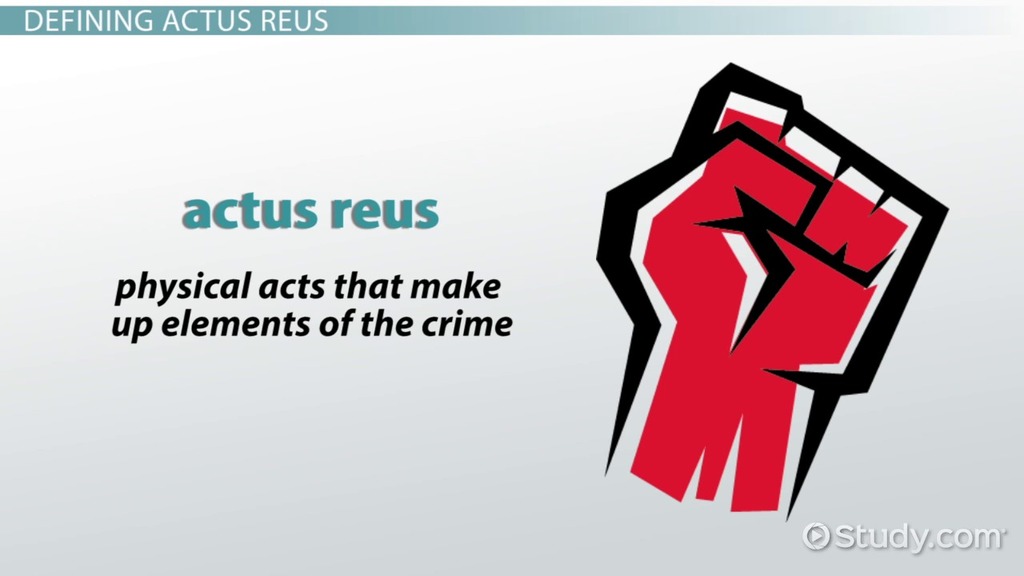
actus reus
noun
Action or conduct which is a constituent element of a crime, as opposed to the mental state of the accused.
Example: According to section 1 Homicide Act 1957 In terms of actus reus, it seems clear that in punching Delia, Felicity commits an assault which satisfies the requirement that the action be 'unlawful'; it was neither in self-defence nor an assault justifiable in any other way.
en: actus reus
alibi
noun
The defense by an accused person of having been elsewhere at the time an alleged offense was committed.
Example: "Forget it Adam, she had an alibi. She didn't kill Gary Jackson." "But she might know something.".
en: alibi
behaviour
noun
The way in which one acts or conducts oneself, especially toward others.
Example: His economic behaviour is not determined by profits and advantages.
en: comportement
complice
noun
An accomplice or associate.
Example: Similarly, Felicity is Amy's complice to the offence of attempted.
en: complice
crime
noun
An action or an instance of negligence that is deemed injurious to the public welfare or morals or to the interests of the state and that is legally prohibited.
Example: Privacy of individuals, although important, 'is not the only thing at stake' as prevention of crime as a matter of policy is of primary concern and one of the major factors in the majority decision.
en: crime
criminal
noun
A person guilty or convicted of a crime.
Example: Contrary to the trial judgement, Woolf emphasises that 'the county court's power to commit for CRIMINAL contempts are those to be found in section 118, no more and, importantly in this case, no less.
en: criminel
criminal negligence
criminal : noun
negligence: adjective
Criminal negligence refers to conduct in which a person ignores a known or obvious risk, or disregards the life and safety of others.
Example: Rose LJ stated, "unless an identified individual's conduct characterized as gross criminal negligence can be attributed to the company, the company is not liable for manslaughter.".
en: négligence criminelle
criminologist
noun
an expert in the scientific study of crime and criminals
Example: the pioneering criminologist proposed a method for identifying criminals
en: criminologue
double jeopardy
noun
The prosecution of a person twice for the same offense.
Example: He can still be prosecuted on that charge without double jeopardy.
en: double péril
estoppel
noun
The principle which precludes a person from asserting something contrary to what is implied by a previous action or statement of that person or by a previous pertinent judicial determination.
Example: The case had been one of estoppel.
en: préclusion
felony
noun
A crime, typically one involving violence, regarded as more serious than a misdemeanor, and usually punishable by imprisonment for more than one year or by death.
Example: He pleaded guilty to six felonies.
en: félonie
identity theft
noun
The fraudulent acquisition and use of a person's private identifying information, usually for financial gain.
Example: If users and devices accessing the networks are not properly identified, enterprise risk exposure to threats like fraud, identity theft etc.
en: vol d'identité
misclemeanor
noun
A nonindictable offense, regarded in the US (and formerly in the UK) as less serious than a felony.
Example: The player can expect a lengthy suspension for his latest misdemeanor.
en: méfait
motive
noun
Something (such as a need or desire) that causes a person to act.
Example: Revenge was the murderer's motive.
en: motif
murder
noun
The unlawful premeditated killing of one human being by another.
Example: The stabbing murder of an off-Broadway producer.
en: meutre
penal code
noun
A code of laws concerning crimes and offenses and their punishment.
Example: The Association of Deputy District Attorneys for Los Angeles County argues in the lawsuit that deputy district attorneys cannot follow the directives without violating state penal code.
en: code pénal
prosecution
noun
The institution and continuance of a criminal suit involving the process of pursuing formal charges against an offender to final judgment.
Example: That may come as a welcome departure for weary Republican senators, few of whom appeared to be persuaded by what many saw as a prosecution rife with errors of omission.
en: accusation
self-defense
noun
An affirmative defense (as to a murder charge) alleging that the defendant used force necessarily to protect himself or herself because of a reasonable belief that the other party intended to inflict great bodily harm or death.
Example: But surely the defender has more right to kill (in self\-defense) than does the assailant (as an unjust act) in this situation.
en: auto défense
social control
noun
Use of sanctions and rewards within a group to influence and shape the behavior of members of a group. Leads to the creation of both criminal and civil statutes.
Example: Marianne Hester is one of the leading figures promoting such a thesis, arguing that '... the witch hunts were part of the ongoing mechanisms for social control within a general context of social change and the reconstruction of a patriarchal society'.
en: controle social
stalking
verb
The repeated following, harassment, or threatening of an individual to frighten or cause him or her harm.
Example: During this gendered walk he even starts stalking a young woman which gives him the feeling of being 'an adventurer [...]
, a romantic buccaneer'.